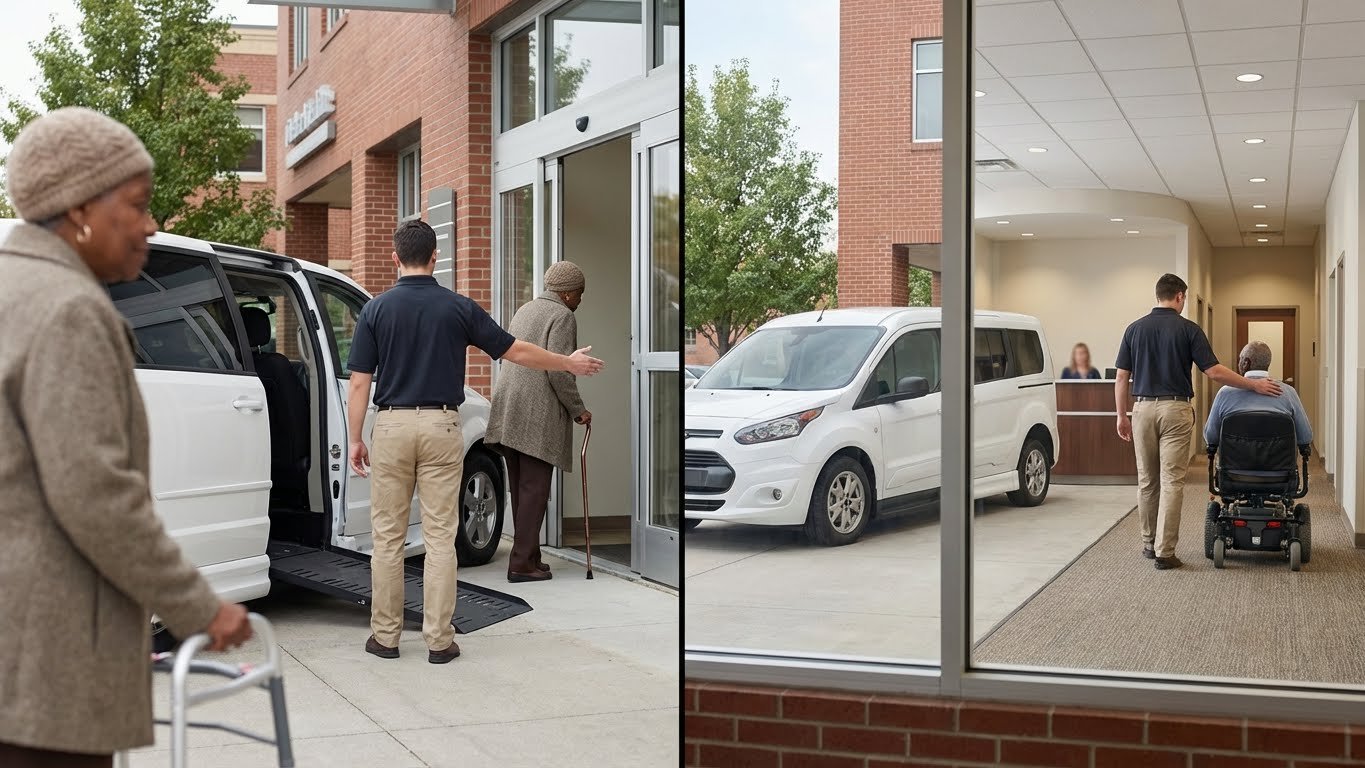
When medical travel becomes challenging due to limited mobility, choosing the right type of transportation is essential. Non-ambulatory transportation is designed for individuals who cannot walk independently or safely transfer without assistance. Understanding what non-ambulatory transportation involves helps patients and families make informed decisions that protect safety, dignity, and access to care.
Assure Rides provides non-emergency medical transportation tailored for mobility-limited individuals. By focusing on professional assistance and patient comfort, Assure Rides ensures non-ambulatory patients can attend medical appointments with confidence.
What Does “Non-Ambulatory” Mean?
A non-ambulatory patient is someone who cannot walk independently or requires assistance, mobility aids, or a wheelchair for movement. This may be temporary or long-term depending on medical conditions, recovery status, or physical limitations.
Non-ambulatory transportation allows patients to travel safely without attempting unsafe transfers or unsupported movement. It prioritizes stability, assistance, and comfort throughout the journey.
Who Needs Non-Ambulatory Transportation?
Non-ambulatory transportation is often needed by individuals who:
- Use wheelchairs full-time
- Are recovering from surgery or injury
- Have neurological or muscular conditions
- Experience severe balance or strength limitations
- Live with chronic mobility impairments
For these patients, standard transportation options pose safety risks and may increase the likelihood of injury or missed appointments.
Why Non-Ambulatory Transportation Is Different
Non-ambulatory transportation requires specialized handling and awareness. Patients may be unable to support their own weight or navigate vehicle entry independently. Without proper support, even short distances can become hazardous.
Professional non-ambulatory transportation ensures:
- Proper wheelchair securement
- Assisted boarding and exiting
- Calm, steady travel
- Reduced physical strain
These factors protect patient safety and preserve dignity.
The Importance of Proper Assistance and Securement
Improperly secured wheelchairs or untrained assistance can lead to discomfort or injury. Professional providers understand how to safely secure mobility devices and provide assistance tailored to each patient’s needs.
Assure Rides drivers are trained to handle non-ambulatory transportation with patience and attention. Assistance is provided respectfully, ensuring patients feel supported rather than rushed.
Non-Ambulatory Transportation vs Rideshare Services
Rideshare services are not equipped to support non-ambulatory passengers. They typically lack wheelchair-accessible vehicles, trained drivers, and securement systems.
Non-ambulatory transportation offers:
- Accessible vehicles
- Trained professionals
- Predictable scheduling
- Medical-aware service
For patients with mobility limitations, professional transportation is the safest option.
How Non-Ambulatory Transportation Supports Healthcare Access
Transportation barriers are a common reason patients miss appointments. Non-ambulatory patients face even greater challenges, as mobility limitations make independent travel impossible.
Reliable non-ambulatory transportation helps:
- Maintain appointment schedules
- Support treatment adherence
- Reduce caregiver stress
- Prevent health complications
By removing transportation barriers, patients can focus on recovery and long-term care.
Preparing for Non-Ambulatory Transportation
Clear communication during booking ensures appropriate support. Patients or caregivers should share details such as mobility level, wheelchair type, and assistance needs. This allows transportation providers to prepare the correct vehicle and level of assistance.
Advance preparation helps ensure smooth pickup and drop-off without delays.
How Assure Rides Delivers Non-Ambulatory Transportation
Assure Rides approaches non-ambulatory transportation with professionalism and compassion. Each ride is planned around the patient’s mobility requirements, ensuring comfort and safety from start to finish.
Key features include:
- Respectful, trained drivers
- Accessible, well-maintained vehicles
- Clear communication
- Patient-centered assistance
This approach ensures patients feel secure and supported throughout the journey.
Reducing Caregiver Burden
Caregivers often shoulder the responsibility of coordinating transportation. Non-ambulatory transportation services reduce this burden by providing dependable, professional support.
Families gain peace of mind knowing their loved one is transported safely without unnecessary risk or stress.
Choosing the Right Non-Ambulatory Transportation Provider
When selecting a provider, families should prioritize experience, training, and communication. A reliable provider understands the importance of patience, dignity, and safety.
Assure Rides delivers non-ambulatory transportation designed to meet these standards, supporting patients and families every step of the way.
Conclusion
Non-ambulatory transportation plays a critical role in ensuring patients with limited mobility can access healthcare safely and consistently. Understanding this service helps families choose transportation that prioritizes safety and dignity.
Assure Rides provides non-ambulatory medical transportation designed around patient needs. By combining professional assistance with compassionate care, Assure Rides helps mobility-limited individuals attend appointments with confidence and peace of mind.