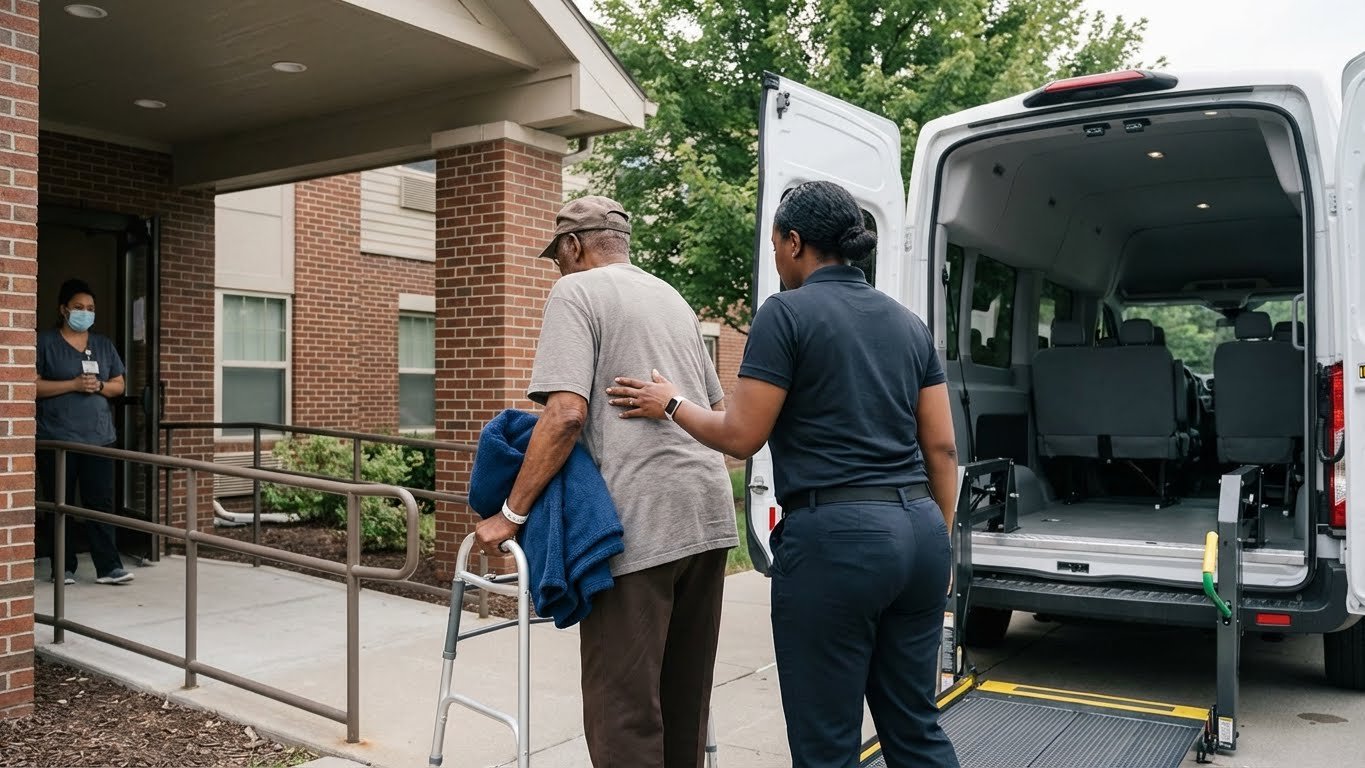
Bringing a loved one home after a hospital stay can be both a relief and a challenge. While discharge often marks progress in recovery, it also introduces new responsibilities for caregivers—especially when it comes to transportation. Hospital-to-home transportation requires careful planning to ensure patients return safely, comfortably, and without unnecessary physical strain.
Assure Rides provides non-emergency medical transportation designed to support patients during this critical transition. By following a structured checklist, caregivers can reduce stress, prevent complications, and ensure a smooth journey home.
Why Hospital-to-Home Transportation Requires Special Planning
Patients leaving the hospital may be weak, fatigued, medicated, or unable to sit upright for extended periods. Even short trips can feel overwhelming without proper support. Transportation challenges during discharge can increase the risk of falls, discomfort, or delayed recovery.
A well-planned hospital-to-home transfer ensures:
- Patient safety during transport
- Reduced physical strain
- Timely discharge coordination
- Peace of mind for families
Proper preparation transforms transportation from a risk into a supportive part of recovery.
Who This Checklist Is For
This guide is especially helpful for caregivers supporting patients who:
- Are recovering from surgery or illness
- Have limited mobility or strength
- Require stretcher or assisted transport
- Are transitioning to home care or rehabilitation
For these patients, hospital discharge transportation must be handled with care and professionalism.
Step 1: Confirm the Patient’s Transportation Needs
Before scheduling transportation, clarify whether the patient can sit upright safely or requires stretcher transport. Hospital staff can often provide guidance based on the patient’s condition.
Key questions to ask include:
- Can the patient sit comfortably for the entire ride?
- Is walking or transferring safe?
- Will the patient require assistance entering the home?
Understanding these needs ensures the correct transportation option is chosen.
Step 2: Coordinate Discharge Timing
Discharge times can change quickly. Confirm the expected discharge window with hospital staff and communicate it clearly when scheduling transportation.
Advance scheduling helps:
- Prevent delays
- Avoid prolonged hospital stays
- Ensure transportation arrives when the patient is ready
Reliable coordination reduces stress for both caregivers and healthcare providers.
Step 3: Prepare the Home Environment
Before the patient arrives home, ensure the environment is ready to support safe entry and rest. This includes:
- Clearing walkways
- Preparing a bed or resting area
- Ensuring necessary medical equipment is accessible
Preparation helps reduce physical strain on the patient during arrival.
Step 4: Gather Essential Items for the Ride
Patients should have:
- Discharge paperwork
- Medications or prescriptions
- Comfortable clothing
- Personal items for comfort
Keeping essentials within reach during transport adds comfort and convenience.
Step 5: Choose the Right Transportation Provider
Not all transportation services are equipped to handle hospital discharge needs. Professional non-emergency medical transportation providers understand how to support medically fragile patients.
Assure Rides provides:
- Trained, attentive drivers
- Stretcher and assisted transportation options
- Clear scheduling and communication
- Patient-centered care
Choosing a provider experienced in discharge transportation helps protect patient safety.
Step 6: Communicate Special Assistance Needs
Share any mobility limitations, pain concerns, or assistance requirements when booking transportation. Clear communication allows the provider to prepare the appropriate vehicle and support level.
This step helps avoid last-minute complications or discomfort during transport.
Step 7: Plan for Arrival and Entry Assistance
Hospital-to-home transportation does not end at the curb. Many patients require help entering their home safely. Door-to-door or bed-to-bed assistance ensures the patient is settled comfortably upon arrival.
Professional assistance reduces fall risk and conserves patient energy during recovery.
Reducing Caregiver Stress During Discharge
Hospital discharge can be emotionally overwhelming. Transportation planning often adds to that stress. A structured checklist helps caregivers stay organized and confident.
Reliable transportation allows caregivers to focus on:
- Patient comfort
- Recovery planning
- Medication management
- Emotional support
Knowing transportation is handled professionally offers reassurance during a vulnerable time.
How Assure Rides Supports Hospital-to-Home Transportation
Assure Rides treats hospital discharge transportation as an extension of care. Every ride is planned around patient needs, comfort, and safety.
Key features include:
- Respectful, trained drivers
- Proper handling and securement
- Smooth, careful driving
- Clear communication with caregivers
This approach ensures patients arrive home safely and with dignity.
Common Mistakes Caregivers Should Avoid
Avoid:
- Waiting until discharge day to arrange transportation
- Assuming rideshare services are sufficient
- Choosing wheelchair transport when stretcher transport is needed
- Failing to prepare the home environment
Proactive planning helps prevent unnecessary stress or risk.
Conclusion
Hospital-to-home transportation is a crucial step in a patient’s recovery journey. With careful planning and the right transportation provider, caregivers can ensure their loved ones return home safely, comfortably, and without added strain.
Assure Rides provides professional hospital discharge transportation designed to support patients and caregivers during this important transition. By following a clear checklist and choosing experienced support, families can focus on healing—while Assure Rides handles the journey with care and reliability.