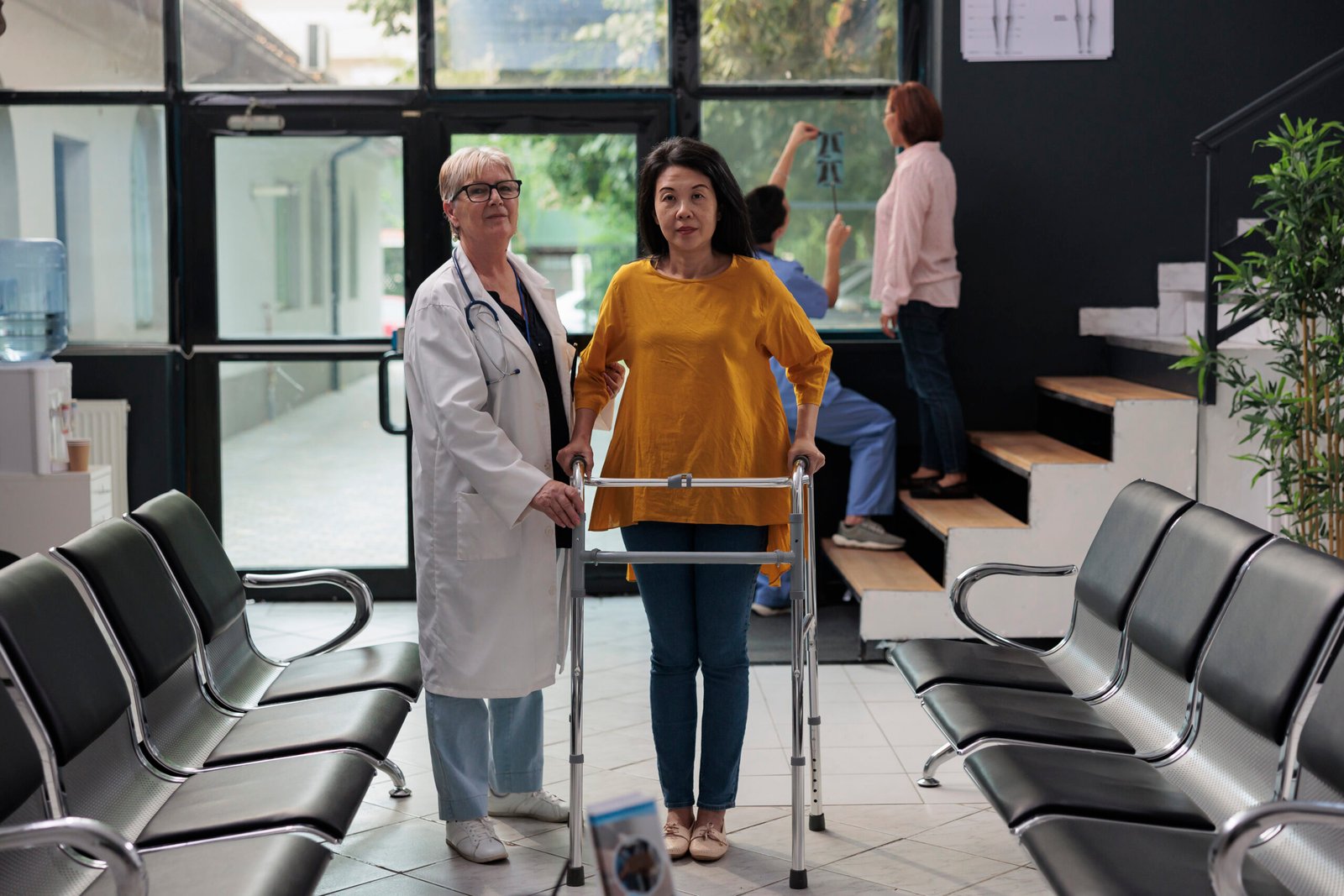
Medical transportation does not end when a vehicle arrives at a healthcare facility. For many patients—especially seniors, mobility-limited individuals, or those recovering from treatment—the most challenging part of the journey begins after arrival. Navigating entrances, check-in desks, elevators, and unfamiliar layouts can be physically exhausting and emotionally stressful.
Facility check-in assistance ensures patients are supported beyond the curb, helping them transition smoothly from transportation into their appointment. Assure Rides includes facility check-in support as part of its compassionate approach to medical transportation, recognizing that true care continues until the patient is safely settled.
What Is Facility Check-In Assistance?
Facility check-in assistance involves helping patients from the vehicle into the medical facility and through the initial check-in process. This may include guidance through entrances, assistance navigating hallways, or ensuring the patient reaches the correct department safely.
Unlike curb-to-curb transportation, facility check-in assistance recognizes that medical facilities can be confusing and physically demanding—especially for patients who are already fatigued or anxious.
Who Benefits Most from Check-In Assistance?
Facility check-in assistance is especially valuable for:
- Seniors with limited stamina or balance
- Patients using wheelchairs or walkers
- Individuals recovering from surgery or treatment
- Patients visiting large or unfamiliar medical facilities
- Caregivers coordinating transportation remotely
For these individuals, navigating check-in alone can feel overwhelming.
Why Facility Check-In Is a Critical Part of Medical Transportation
Many patients assume transportation ends once they arrive at the building entrance. In reality, the physical and emotional demands of reaching the appointment location can be just as challenging as the ride itself.
Without check-in assistance, patients may:
- Struggle with long walking distances
- Feel disoriented or anxious
- Risk falls or overexertion
- Arrive stressed or fatigued
Facility check-in support ensures patients arrive calm, safe, and ready for care.
The Impact on Seniors and Mobility-Limited Patients
For seniors, even short distances can feel long—especially after a medical ride. Navigating crowded lobbies, unfamiliar signage, or long corridors can increase fatigue and anxiety.
Check-in assistance helps seniors by:
- Reducing physical strain
- Providing steady guidance
- Preventing confusion or delays
- Preserving dignity and independence
This support allows seniors to focus on their health rather than navigation challenges.
How Facility Check-In Assistance Supports Better Healthcare Outcomes
When patients arrive stressed or exhausted, it can affect their appointment experience. Anxiety and fatigue may interfere with communication, comprehension, or willingness to engage with care providers.
Facility check-in assistance supports:
- Timely appointment arrival
- Reduced anxiety before visits
- Improved patient focus
- A more positive healthcare experience
Transportation that includes check-in support becomes a true extension of patient care.
The Role of Compassion and Patience During Check-In
Medical facilities can be busy and overwhelming. Compassionate check-in assistance requires patience, clear communication, and awareness of patient comfort.
Assure Rides drivers understand that rushing patients can increase stress or risk. Instead, assistance is provided calmly and respectfully, allowing patients to move at a comfortable pace.
Supporting Caregivers Through Check-In Assistance
Caregivers often worry about whether their loved one will safely reach the appointment location—especially when they cannot attend in person. Facility check-in assistance provides peace of mind by ensuring the patient is not left alone upon arrival.
Caregivers benefit from knowing:
- Patients receive hands-on support
- Appointments begin smoothly
- Transportation continues beyond drop-off
This reduces emotional burden and coordination stress.
How Assure Rides Provides Facility Check-In Assistance
Assure Rides integrates facility check-in support into its compassionate service model. Each ride is planned with awareness of the patient’s mobility level, appointment type, and facility layout.
Key elements include:
- Attentive, patient-focused drivers
- Clear communication during transitions
- Respectful assistance without rushing
- Coordination with caregivers when needed
This approach ensures patients feel supported from start to finish.
When Facility Check-In Assistance Is Especially Important
Check-in assistance is strongly recommended when patients:
- Are unfamiliar with the facility
- Experience fatigue or balance issues
- Use wheelchairs or mobility aids
- Are attending high-stress appointments
Choosing transportation with check-in support reduces risk and improves comfort.
Why Check-In Assistance Reflects Compassionate Care
Compassionate medical transportation acknowledges that patients are vulnerable during healthcare visits. Facility check-in assistance reflects a commitment to dignity, safety, and emotional well-being—not just transportation efficiency.
When patients feel supported beyond the vehicle, trust and confidence grow.
Conclusion
Facility check-in assistance is a vital but often overlooked part of medical transportation. By supporting patients beyond drop-off, this service reduces stress, prevents fatigue, and ensures a smoother healthcare experience.
Assure Rides provides facility check-in assistance as part of its compassionate medical transportation services. By treating transportation as an extension of care, Assure Rides ensures patients are supported every step of the way—right up to the appointment door.