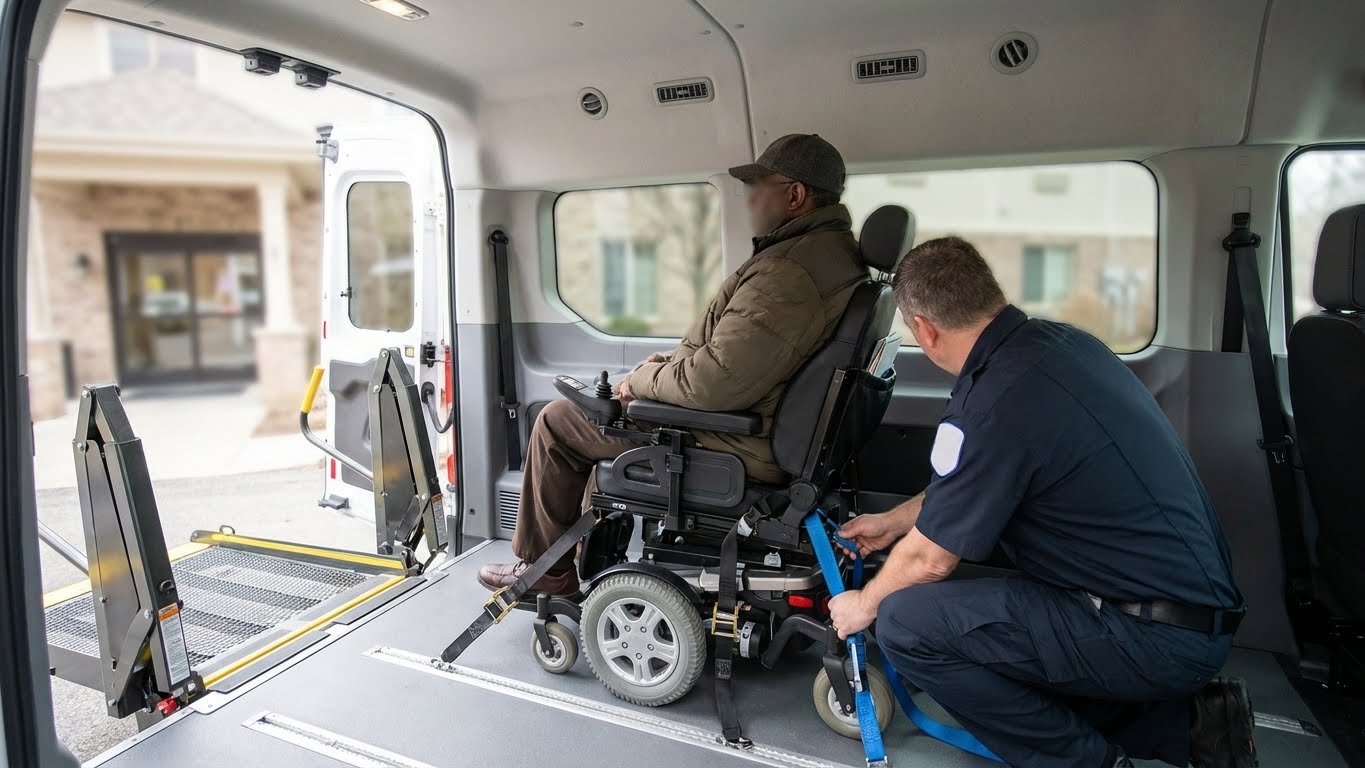
Medical transportation isn’t always local. For many patients, care requires traveling long distances to reach specialists, rehabilitation centers, or follow-up facilities. Long-distance medical transportation introduces additional physical, emotional, and logistical challenges—especially for patients with mobility limitations, chronic conditions, or post-treatment fatigue.
Assure Rides provides long-distance non-emergency medical transportation designed to support comfort, dignity, and safety throughout extended travel. Proper planning ensures these longer journeys remain manageable and stress-free for patients and caregivers alike.
What Is Long-Distance Medical Transportation?
Long-distance medical transportation refers to non-emergency travel that extends beyond typical local appointments, often involving travel between cities or regions. Patients are medically stable but unable to travel independently due to physical limitations, fatigue, or recovery needs.
This type of transportation focuses on comfort, careful pacing, and patient support rather than speed or urgency.
Who Needs Long-Distance Medical Transportation?
Long-distance transportation is commonly needed by:
- Patients traveling to specialty medical centers
- Individuals transferring between care facilities
- Seniors relocating closer to family or care providers
- Patients attending follow-up appointments after major treatment
- Individuals unable to tolerate long personal vehicle travel
For these patients, professional transportation ensures the journey does not compromise health or recovery.
Why Long-Distance Medical Travel Requires Extra Planning
Extended travel can place additional strain on patients. Sitting for long periods, navigating unfamiliar environments, and managing fatigue can increase discomfort or stress.
Careful planning helps:
- Reduce physical exhaustion
- Maintain patient comfort
- Prevent unnecessary delays
- Support emotional well-being
A thoughtful approach transforms a potentially overwhelming journey into a supportive experience.
Key Considerations When Planning Long-Distance Medical Transportation
Patient Comfort and Positioning
Patients may need to remain seated, reclined, or supported for long periods. Proper positioning reduces pain and prevents strain during extended travel.
Assistance Needs
Long-distance trips often require more assistance with boarding, exiting, and transitions. Clear communication about mobility needs ensures the correct support is provided.
Scheduling and Timing
Allowing adequate travel time prevents rushing and helps accommodate rest breaks if needed.
Destination Coordination
Clear communication with the receiving facility ensures a smooth arrival without confusion or unnecessary waiting.
The Role of Compassion During Extended Travel
Long trips can be emotionally taxing. Anxiety about health, unfamiliar destinations, or separation from home can increase stress.
Compassionate transportation helps by:
- Maintaining calm, reassuring communication
- Allowing patients to travel at a comfortable pace
- Offering patience during transitions
- Providing emotional reassurance throughout the journey
Assure Rides understands that emotional comfort is just as important as physical safety.
How Assure Rides Supports Long-Distance Medical Transportation
Assure Rides approaches long-distance transportation with careful coordination and patient-centered care. Each trip is planned around the individual’s needs rather than distance alone.
Key service elements include:
- Trained, attentive drivers
- Comfortable, well-maintained vehicles
- Clear scheduling and communication
- Support throughout extended travel
This approach ensures patients feel supported from pickup to final destination.
Reducing Stress for Caregivers and Families
Caregivers often worry about how a loved one will tolerate a long journey. Professional long-distance medical transportation reduces caregiver burden by ensuring patients are supported by trained professionals.
Families gain peace of mind knowing:
- Travel is handled safely
- Patient comfort is prioritized
- Communication is clear and consistent
This support allows caregivers to focus on care rather than travel logistics.
Preparing for a Long-Distance Medical Trip
Preparation makes a significant difference. Patients and caregivers should:
- Share medical limitations and comfort needs
- Confirm destination details
- Pack necessary medications and documents
- Dress comfortably for extended travel
Advance planning helps avoid disruptions and ensures a smoother journey.
When Long-Distance Medical Transportation Is the Best Option
Long-distance professional transportation is ideal when:
- Patients cannot drive or tolerate long car rides
- Mobility or recovery limits independent travel
- Care requires travel beyond local providers
- Families need reliable, safe transport solutions
Choosing the right provider ensures extended travel does not compromise patient health.
Why Long-Distance Transportation Reflects Compassionate Care
Compassionate medical transportation doesn’t stop at short trips. Supporting patients through long journeys reflects a commitment to dignity, safety, and emotional well-being—no matter the distance.
When patients feel cared for during extended travel, transportation becomes a bridge to care rather than a barrier.
How to Get Started with Long-Distance Medical Transportation
Clear communication is the first step. Sharing travel distance, medical needs, and destination details allows transportation providers to plan appropriately.
Conclusion
Long-distance medical transportation requires thoughtful planning, compassionate support, and reliable service. Without the right approach, extended travel can increase stress and discomfort for patients and families.
Assure Rides provides long-distance non-emergency medical transportation designed around comfort, safety, and dignity. By treating every journey—short or long—as part of the care experience, Assure Rides helps patients travel with confidence and peace of mind, no matter where their healthcare journey leads.